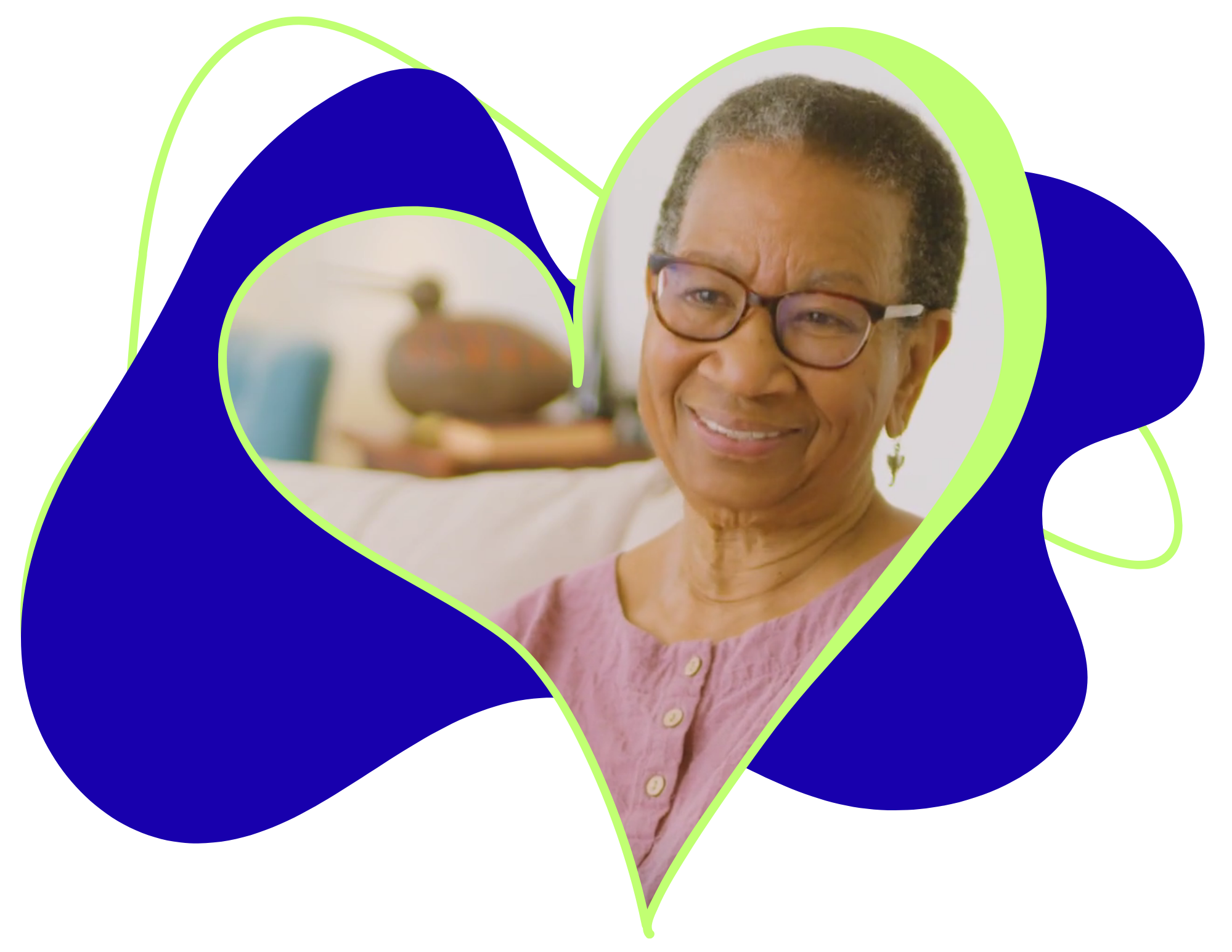
Talk to Your Healthcare Provider About ATTR-CM
Could It Be More Than Heart Failure?
What Is ATTR-CM?
ATTR-CM is a rare form of heart failure caused by the buildup of proteins in the heart, making it stiff and less able to pump blood. It comes in two forms—hereditary (hATTR-CM) and age-related (wtATTR-CM)—and it’s often overlooked.
V122i is a gene change that can cause ATTR-CM. It is one of the most common gene variants in the U.S. It's important to note that any ethnicity can develop wtATTR-CM with aging. Early diagnosis can make all the difference in managing symptoms and improving outcomes.
For ATTR-CM related pronunciations, scroll to the bottom of this page.
DID YOU KNOW?
Black Americans estimated to carry the V122i mutation
Approximate number of new ATTR-CM cases diagnosed each year
The approximate amount of years it takes most people to get a diagnosis
ATTR-CM Fast Facts
- Shortness of breath, fatigue, swollen ankles, legs, or feet, carpal tunnel in one or both hands, biceps tendon rupture, and irregular heart beat are some of the most common symptoms.
- Wild-type ATTR-CM symptoms usually begin after the age of 60.
- 1 in 25 Black Americans carry a gene that increases their risk of ATTR-CM.
- Hereditary ATTR-CM, or hATTR-CM patients are primarily older Black males.
- Carrying the V122i variant does not guarantee that you will get ATTR-CM.
- If left untreated, ATTR-CM can lead to heart failure or death.
- There is no cure for ATTR-CM, but treatment is available to slow the progression.
Resources
Symptom Tracker & Bodymap Guide
Still not feeling right? Use this simple visual tracker to mark your symptoms, prepare for your next doctor visit, and advocate for the answers you deserve.
RESOURCES
ATTR-CM Terminology Fact Sheet
Confused by the terms? This quick-reference glossary breaks down key ATTR-CM medical terms in plain language so you can feel confident during appointments.
Resources
Social Media Toolkit
Use this social media toolkit to raise awareness about ATTR-CM. By using social media, you can educate communities, encourage earlier diagnosis, and support those affected by this rare but serious disease.